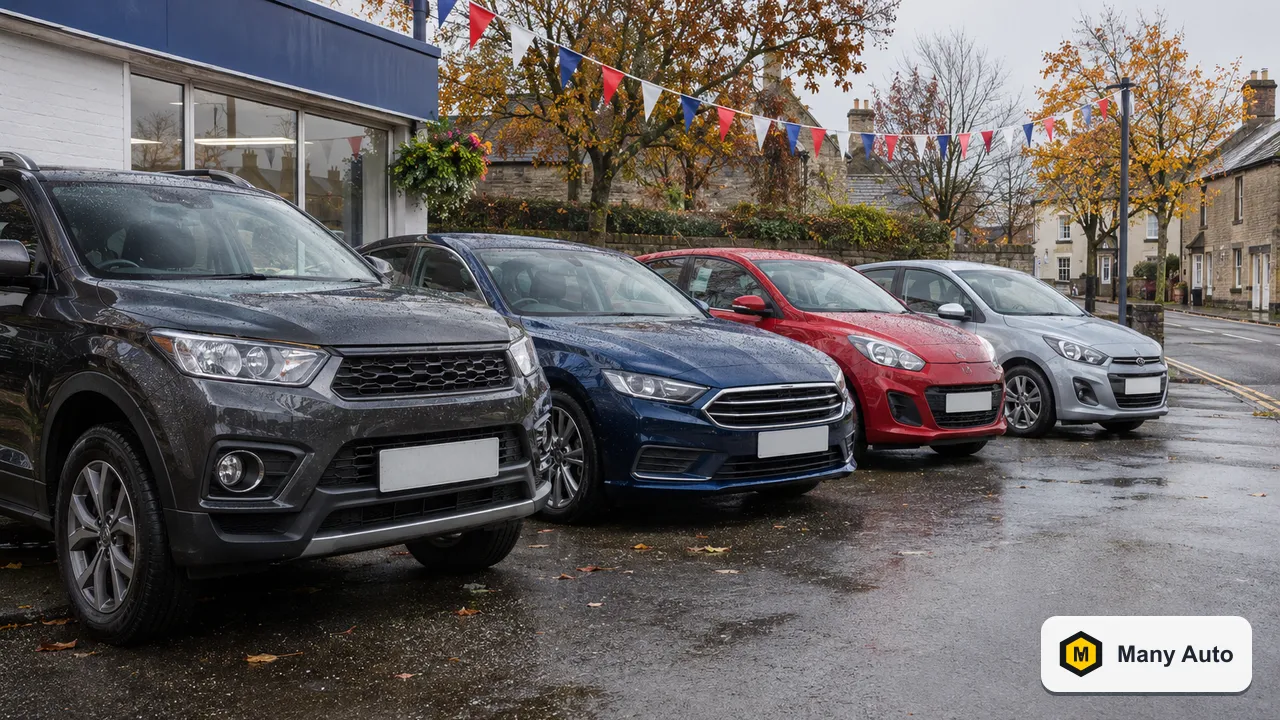
For most cars registered since April 2017, vehicle tax after the first year is £200 a year if you pay in one go, whether the car runs on petrol, diesel or electricity. Cars with a list price over £40,000, or over £50,000 for electric cars, pay an extra £440 a year for five years on top. The Autumn Budget on 28 October 2026 confirmed that car, van and motorcycle VED rates will rise in line with RPI from 1 April 2027, so expect those figures to go up next spring. The exact new rates had not been published when we checked, so anyone quoting precise 2027 prices now is guessing.
What you pay now
The figures below come from GOV.UK's vehicle tax rate tables for cars registered on or after 1 April 2017.
After the first year: the standard rate
| Payment option | Cost |
|---|---|
| Single 12-month payment | £200 |
| Single 6-month payment | £110 |
| Direct Debit, 12 monthly payments | £210 in total |
| Direct Debit, single 6-month payment | £105 |
Paying for six months at a time by single payment costs more over a year than paying annually, which is worth knowing if you are tempted to split it.
The first year: based on CO2
The first tax payment, usually included in the on-the-road price of a new car, depends on official CO2 emissions. For petrol cars, and diesels that meet the RDE2 standard, the current table runs from £10 for a zero-emission car, through £115 for 1 to 50g/km and £280 for 76 to 90g/km, to £5,690 for anything over 255g/km. The jump between 131 to 150g/km (£560) and 151 to 170g/km (£1,410) is steep, so a small difference in emissions on a new car can make a big difference to the first bill.
The expensive car supplement
This is the part of car tax that catches most people out, especially second owners. According to GOV.UK, you pay an extra £440 a year if the car's list price was over £40,000 for petrol or diesel, or over £50,000 for an electric car. It applies for five years, starting from the second time the car is taxed.
Three points that matter when you are buying:
- It is the list price when new that counts, including options, not what you pay for the car second-hand. A three-year-old car bought for £25,000 can still attract the supplement if it cost over the threshold new.
- Options add up. A car with a base price under the threshold can cross it once paint, wheels and packs are added.
- Older electric cars are treated differently. GOV.UK says zero-emission vehicles registered before 1 April 2025 do not pay the supplement. Check the registration date on the V5C before you buy.
Over five years the supplement is £2,200 at today's rate, which is a real sum on a used car budget. Ask a seller what the car currently costs to tax, and then check it yourself.
What the April 2027 change means
The Treasury's Budget 2026 overview of tax legislation and rates lists VED for cars, vans and motorcycles as rising in line with RPI for 2027 to 2028, from 1 April 2027. HGV VED and the HGV levy also rise with RPI from the same date. RPI uprating is the default each year, so this is not a new tax, but it does mean the £200 and £440 figures above will both increase.
A practical point: if your tax is due in March, renewing then locks in the current rate for twelve months. If it is due in May, you will pay the new rate. There is no way to pay early to dodge an increase beyond the normal renewal cycle.
Electric cars: tax now, mileage charge later
Electric cars used to be exempt from VED. That is no longer the case: they now pay the same standard rate as petrol and diesel cars after the first year, and the supplement above £50,000 for those it applies to. From April 2028 they will also pay eVED, a mileage-based charge of 3p a mile for battery electric cars and 1.5p for plug-in hybrids, renewed alongside VED. We cover how eVED will work in a separate article. If you are weighing up an EV, our EV basics guide covers the day-to-day differences.
Cars registered before April 2017
Cars first registered between March 2001 and March 2017 are still taxed on their CO2 band, using a separate GOV.UK table, and do not pay the expensive car supplement. For some low-emission cars of that era, annual tax is very low, which is one reason they remain popular as cheap runabouts. Those band rates will also rise with RPI in April. Our used-car buying guide explains how to check a car's tax status online before you go to see it.
Things that do not change
- Tax is not transferred when a car is sold. The new keeper must tax it before driving, and the seller gets a refund for full remaining months.
- You still need a valid MOT, where one is required, before you can renew tax. Our MOT guide covers when the first test is due.
- A car kept off the road needs a SORN, not tax.
A quick check before you buyLook up the registration on GOV.UK to see whether the car is taxed and when it expires, then ask the seller for the last tax reminder or renewal receipt, which shows the amount paid. A figure of £640 rather than £200 at today's rates means the car is paying the supplement.
This is general information on published rates. For business vehicles, leasing or fleet arrangements, your accountant or leasing company can confirm how the April 2027 changes affect your own costs.