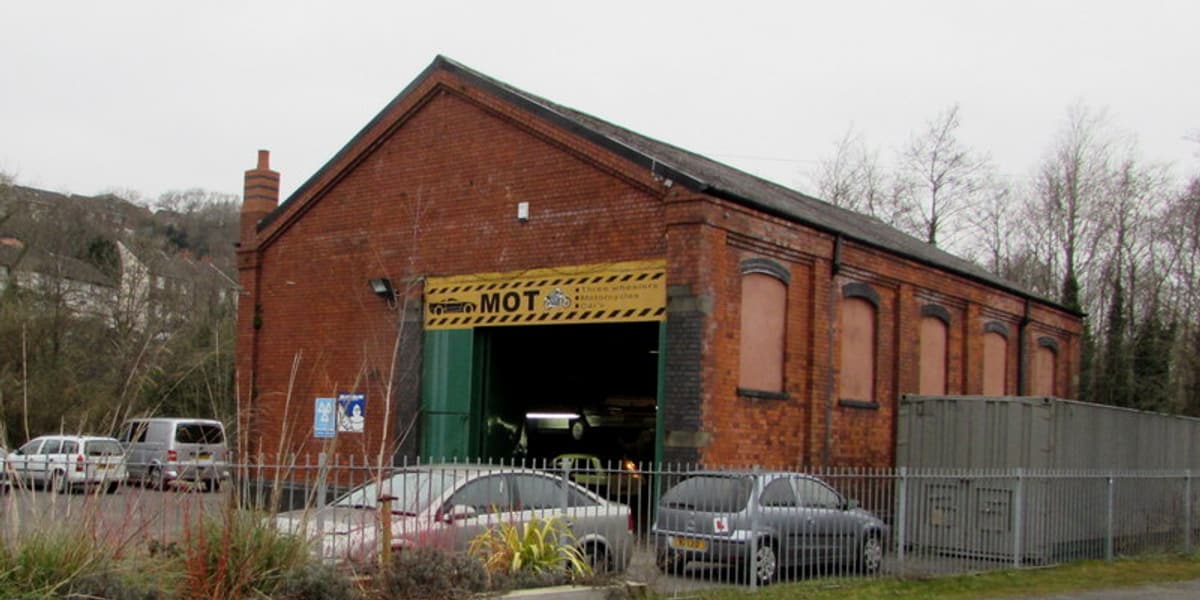

The short version: a new car needs its first MOT when it is three years old, counting from the date of first registration, and every year after that. Drive without a valid one and you can be fined up to £1,000. You can book the test up to a month minus a day before it runs out and keep the same renewal date, which is worth knowing if you are going on a long trip or want a buffer.
What an MOT actually checks
It is a safety and emissions test, not a service. The tester works through a set list; brakes, steering, suspension, tyres, lights, seatbelts, bodywork, exhaust, screenwash, horn, number plate, windscreen wipers, mirrors and so on; against the DVSA criteria. They will not take anything apart. If something is hidden, they cannot see it, and the test is not a warranty.
You can look up what any car has passed, failed or had warned on it since 2005 at gov.uk/check-mot-history, using the number plate. That is useful before you buy a used car, and also worth a glance on your own car a few weeks before the next test is due.
How much a garage can charge
The MOT fee is capped by the DVSA. A testing station can charge less, but not more. For a standard class 4 car the cap has sat at £54.85 for many years; for check the current figure before you book, see gov.uk/getting-an-mot. Chain garages and small independent stations can both test, and the price is often lower at a stand-alone MOT bay than at a main dealer, because the dealer will usually bundle it with a courtesy inspection.
A "free MOT" offer is almost always tied to a paid service. There is nothing wrong with that in principle, but read the terms. The free test only kicks in once you have paid for the service, and some offers only credit the cost of the retest if your car fails.
Three-year rule and the one-year catch
Most cars first need an MOT when they turn three. A handful of categories; ambulances, taxis, private hire; need their first test at one year old. If your car is a classic (over 40 years old and unmodified), you can declare it MOT-exempt, though a lot of owners still book an inspection for peace of mind.
The renewal date is the anniversary of the current MOT's expiry, not the test date. A car first registered on 20 September 2023 needs its first MOT by 19 September 2026; if it then passes on 12 September 2027, the next MOT is due by 11 September 2028.
Reasons people fail
Every year, DVSA publishes figures on common failure causes. The same handful comes up again and again: lighting (especially a blown number-plate bulb), tyres under the limit, screenwash empty, wiper blades scraping, suspension bushes worn, and brake imbalance. Most of these are a ten-minute check you can do in your driveway.
- Walk round the car with the lights on, ideally with somebody at the back to call out the brake lights.
- Put a 20p coin in the main tread grooves; if the outer band is still visible, the tyre is near the legal minimum.
- Top up the screenwash and check the wipers wipe clean, not smeared, across both sides.
- Press down hard on each corner of the car and let go; the suspension should settle in one bounce.
- Sit inside and try every seatbelt, including the back middle one, and every warning indicator on the stalk.
Advisory versus failA "major" defect is a straight fail. A "minor" defect lets the car pass but is recorded on the certificate. An "advisory" is a note that something is near the limit and will probably need attention before the next test. You can drive out of the station on a pass with advisories, but do not ignore them for another year.
If it fails
If the car has failed with major defects, legally you cannot drive it on the road, except to a pre-booked repair or to get a retest. In practice the garage that tested it will usually offer to fix it on the spot, or you can tow or trailer it to somebody else. A retest at the same garage within ten working days is often free or half-price if you have the repair done there.
You do not have to use the garage that failed it. Get a second opinion if the repair quote feels odd; MOT failures are itemised with codes you can look up on gov.uk/getting-an-mot.
Reminders and record-keeping
DVSA will send a free text or email a month before your MOT is due if you sign up at gov.uk/mot-reminder. In Northern Ireland the test is run by the DVA and you will get a postal reminder about seven weeks beforehand. Either way, the failure to receive a reminder is not a defence; the date lives on the public MOT record, and you are supposed to know when it falls.
SafetyIf the garage finds something safety-critical; a brake line about to go, a tyre ready to let go; stop driving the car. Get it collected or trailered. The MOT fine is tiny compared with the consequences of ignoring a dangerous defect.
For deeper reading on what to check on an older car before you even reach the MOT bay, see our guide to what common engine noises point at and the winter checklist.