The average car insurance premium actually paid in the UK was £562 in the third quarter of 2026, according to the Association of British Insurers. That is about 2% higher than a year earlier and below the rate of inflation, so prices are broadly flat rather than falling. Claims costs are still climbing: the average claim was £4,900 and the average windscreen repair or replacement £298, up 9% in a year. For a renewal this winter, that means the old trick of waiting for prices to drop is unlikely to work. Comparing quotes and checking your details is what moves the number.
What the latest figures say
The ABI's premium tracker looks at the prices people paid, not the prices they were quoted, across more than 28 million policies a year. The Q3 2026 figures, reported by the Irish News on 9 November from the ABI release:
- Average premium paid: £562, up £11 or 2% on the same quarter of 2025.
- Average claim: £4,900, up 1% on a year earlier.
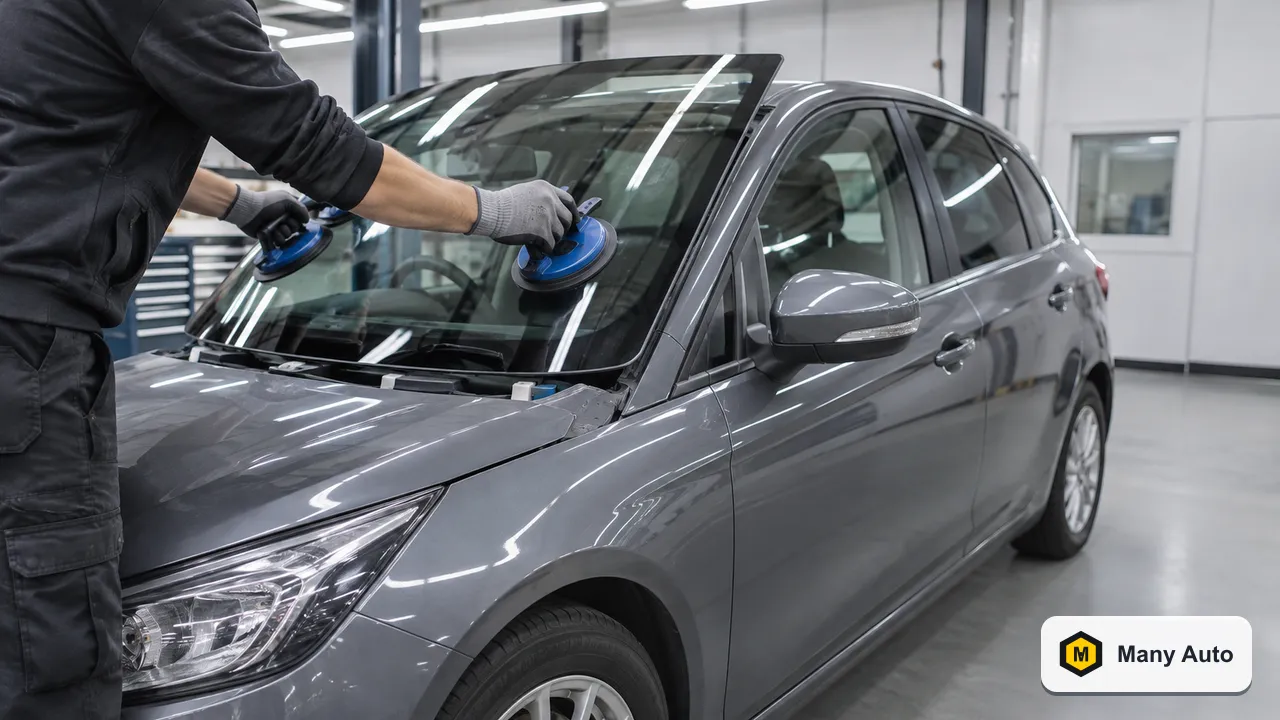
- Average windscreen claim: £298, up 9%.
- Total paid out by insurers in the quarter: £3.2 billion, matching the record set in the second quarter.
CPI inflation was 3.5% in the 12 months to September, so the premium increase was smaller than general price rises. Note that averages hide a lot. Young drivers, city postcodes and high-value cars sit well above £562; a mature driver with a modest car and a clean record may pay much less.
Why the price did not keep falling
Premiums follow claims costs with a lag. When repairs, parts and labour get more expensive, insurers price that into new policies over the following months. Windscreens are a good example: modern screens often carry cameras and sensors for driver assistance systems, so replacement can involve recalibration as well as glass. A 9% rise in a single year on that one line tells you where the pressure is.
Your renewal price and the loyalty rule
Since 1 January 2022, the FCA's rules mean an insurer cannot quote you a higher price at renewal than it would offer a new customer in the same circumstances. The FCA's announcement of the rules also required insurers to make it easier to cancel automatic renewal.
That removed the worst of "price walking", but it does not mean your renewal is the best price available. Another insurer may simply rate your risk more kindly. So the rule protects you from being penalised for loyalty; it does not do the shopping around for you.
A renewal routine that works
- Start about three weeks before renewal. Leaving it to the last day means accepting whatever arrives by auto-renewal; starting early gives you time to compare properly and deal with any surprises.
- Check every detail on the policy. Annual mileage, where the car is kept overnight, your job title and any modifications. A mileage figure set in a busier year may be costing you money now; an under-declared one could cause trouble at claim time.
- Compare on like-for-like cover. Look at the compulsory excess and voluntary excess together, whether courtesy car and windscreen cover are included, and how much the policy pays towards a windscreen claim.
- Use more than one comparison site, and check any insurers that do not appear on them.
- Ring your current insurer with your best quote. They cannot go below their own new-customer price for you, but they can review the cover and options.
- Pay annually if you can. Monthly payments are often a form of credit with interest added. Check the total payable on the quote.
Things that legitimately lower the price
- A higher voluntary excess, as long as you could genuinely afford it after an accident.
- Adding an experienced named driver can help some younger drivers, but only if the main driver is really the person who drives most. Declaring someone else as main driver when they are not is fronting and can void the policy.
- Off-road parking, a garage or a driveway, if you actually use it.
- A telematics policy for new drivers who are prepared to have their driving monitored.
- Reducing optional add-ons you already have elsewhere, such as breakdown cover duplicated by a bank account.
When to think twice about claiming
A small claim can cost you more than it pays out once the excess and loss of no-claims discount are counted. Windscreen claims are often treated differently and may not affect the discount, so check your policy wording. For bodywork scrapes, get a repair quote first and compare it with your excess plus a rough guess at a year or two of higher premiums.
Keeping the car insurable
Insurers expect the car to be roadworthy. An expired MOT, bald tyres or a fault you knew about can complicate a claim. Our MOT guide explains how to check your car's test status, and our winter checklist covers tyres and lights before the darker months. If you are buying a different car, get insurance quotes on it before you commit; the used-car buying guide covers the checks worth doing before you hand over any money.
The short versionPrices are flat to slightly up, claims costs are rising, and your renewal price cannot be higher than your insurer's new-customer price. Shopping around three weeks ahead, with accurate details, is still the best lever you have.
This is general guidance rather than advice for your individual policy. If you have a disputed claim or a complaint about how an insurer treated you, the Financial Ombudsman Service handles insurance complaints free of charge once the insurer has had a chance to respond.